







As the weather warms up, many people begin to move more—getting outside, walking, gardening, and returning to the routines they enjoy.
But for some, these moments start to feel a little different. Joints may feel stiff when getting started. Movements that once felt automatic take more thought. There may be a quiet hesitation before bending, lifting, or returning to the activities you need and want to do.
It is easy to brush this off or assume it is just part of getting older. In many cases, people adjust without realizing it—doing a little less, moving a little differently, or avoiding what does not feel as comfortable.
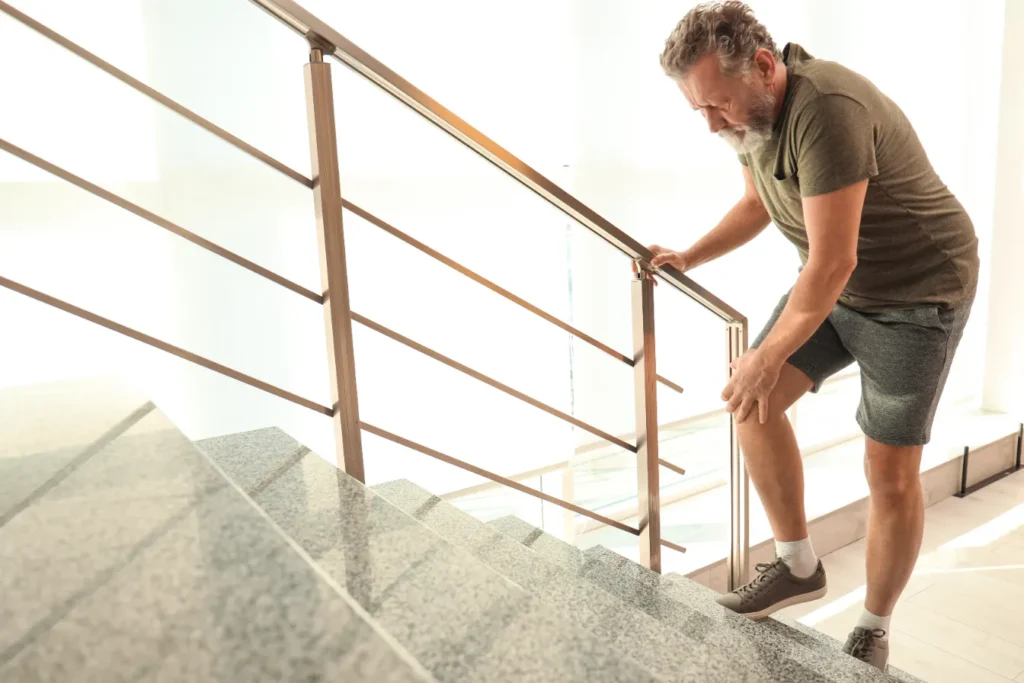


Over time, however, these small changes can begin to add up. When joints are not used regularly, they tend to become stiffer, and the muscles that support them can weaken. What starts as a minor adjustment can gradually lead to more noticeable limitations, making it harder to stay active and confident in your movement.

May is National Arthritis Awareness Month, a time to better understand how joint health impacts the way we move and feel each day.
Arthritis is a general term describing joint inflammation and changes in how joints move and function. It is one of the most common causes of joint pain, affecting millions of adults and often developing gradually over time.
While there are many types of arthritis, including inflammatory conditions such as rheumatoid arthritis and others that develop gradually over time, the most common is osteoarthritis.
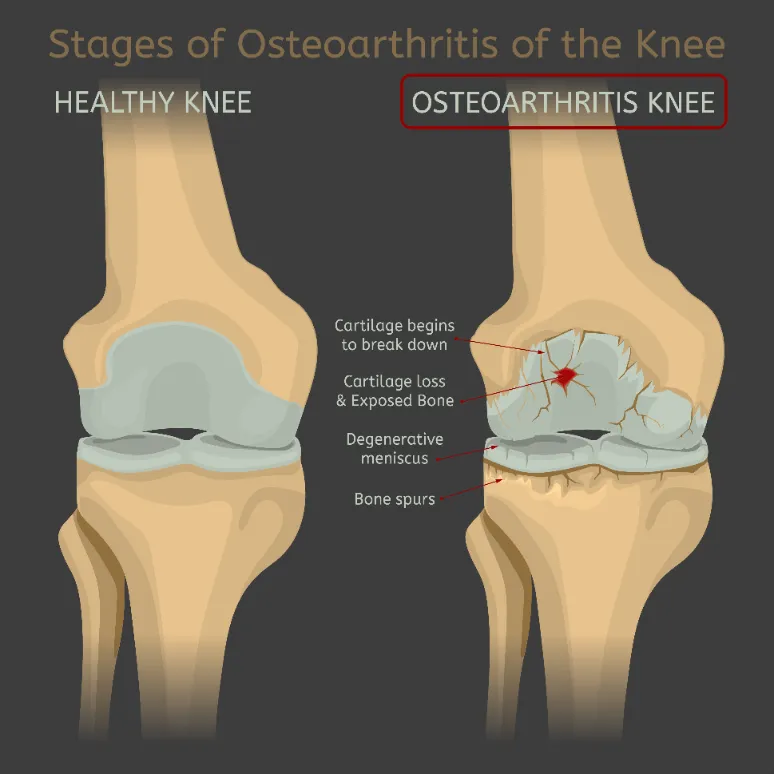
Osteoarthritis develops over time as the cushioning within a joint begins to wear down and the joint loses some of its ability to move smoothly. As this happens, everyday movements can feel stiffer or less comfortable, particularly in areas like the knees, hips, hands, and spine.
While these changes are common, they are not something you have to simply accept.

When joints begin to feel stiff or uncomfortable, the natural response is often to slow down or avoid certain movements.
While this may feel helpful in the moment, doing less over time can actually work against you.
Without regular movement, joints can become more restricted, and the muscles that support them may lose strength. This can place additional stress on the joint itself, making movement feel more difficult and less predictable.
What begins as a small adjustment can gradually lead to a cycle of reduced activity and increasing limitation. The answer is not to stop moving—it is to move with intention and the right support.
When something feels off, it is common to wait and hope it improves on its own or becomes manageable enough to ignore. In many cases, that approach leads to small changes becoming more noticeable over time. Movements that once felt easy may start to feel more limited, and it can take more effort to stay active in the ways you enjoy.
Addressing joint stiffness or discomfort early allows you to take a more direct and effective approach. Improving mobility, building strength, and supporting how your joints function can help you stay ahead of these changes rather than reacting to them later.
Physical therapy provides a clear path forward—helping you understand what is happening, what to focus on, and how to move in a way that supports your long-term health and keeps you active.
At Bay State Physical Therapy, we view this as part of taking care of your overall health—supporting how your body moves so you can continue to do the things that matter most.


Physical therapy provides a structured, personalized approach to improving how your joints move and function—so you can stay active with confidence.
At Bay State Physical Therapy, your care begins with a thoughtful evaluation focused on how your body moves and what may be contributing to stiffness or discomfort. Rather than focusing on a single area, our team looks at how your body works as a whole to better understand the root of the issue.
From there, your therapist will guide you through a plan designed to:
This approach is not just about short-term relief—it’s about helping you move better, feel better, and continue living an active, healthy life. That may mean moving more comfortably throughout your day, keeping up with your family, or returning to the activities you enjoy without hesitation. Along the way, you will gain a better understanding of your body and the tools to continue supporting your joint health over time.
You do not have to accept joint pain or stiffness as part of your ‘new normal.’
With the right guidance, it is possible to stay active, build strength, and continue doing the things that matter most to you. Osteoarthritis does not define your future—your approach to movement and care plays a powerful role in how you feel and function each day.
Don’t let joint pain stop you from living the active life you desire. Schedule your physical therapy evaluation today at a Bay State Physical Therapy location near you.



As the seasons change, many people naturally become more active—spending more time outdoors, returning to exercise routines, and taking on projects around the house.
With that increase in activity often comes a shift in how your body feels. Movements may feel a little stiffer at first. Tasks that once felt routine may require more effort or thought. You may find yourself easing into certain activities or holding back slightly without fully realizing it.
This is a common transition as your body adjusts to doing more. If your activity level is increasing, how you approach that return to movement matters.
A few simple adjustments can help you stay active, support your joints, and avoid unnecessary setbacks:

1. Ease Back Into Activity
It is common to feel motivated to do more as the weather improves—but doing too much too quickly can lead to soreness or irritation.
Start with manageable activity levels and build gradually. Consistency over time is more effective than pushing too far in a single day.

2. Expect Some Stiffness—Then Keep Moving
It is normal to feel stiff when getting started, especially after periods of lower activity.
Give your body time to warm up. Gentle, consistent movement often helps reduce stiffness and improve how your joints feel as you continue.

3. Pay Attention to How Your Body Moves
Movement quality matters. Whether you are walking, lifting, or working around the house, small adjustments in posture, positioning, and control can reduce unnecessary strain on your joints.

4. Stay Consistent, Even on Busy Days
You do not need long or intense workouts to see benefits. Regular movement—even in shorter periods—helps maintain joint mobility, muscle strength, and overall function.

5. Don’t Ignore Early Signs
If something feels off, it is worth paying attention. Addressing small changes early can help prevent them from becoming more limiting over time and allows you to stay active without interruption.
As you become more active, it is normal to experience some muscle soreness—especially when your body is adjusting to new or increased movement.
However, discomfort that lingers for more than a few days, continues to return, or begins to limit your activity may be a sign that something more needs attention. In many cases, this can be related to underlying weakness, reduced mobility, or movement patterns that are placing added stress on your joints.
This is where having a trusted partner in your health makes a difference.
At Bay State Physical Therapy, we are here to help you better understand your body, address concerns early, and support you in staying active over time. Whether you are noticing small changes or simply want to move with more confidence, our team is here when you need us—so you can continue doing the things that matter most.
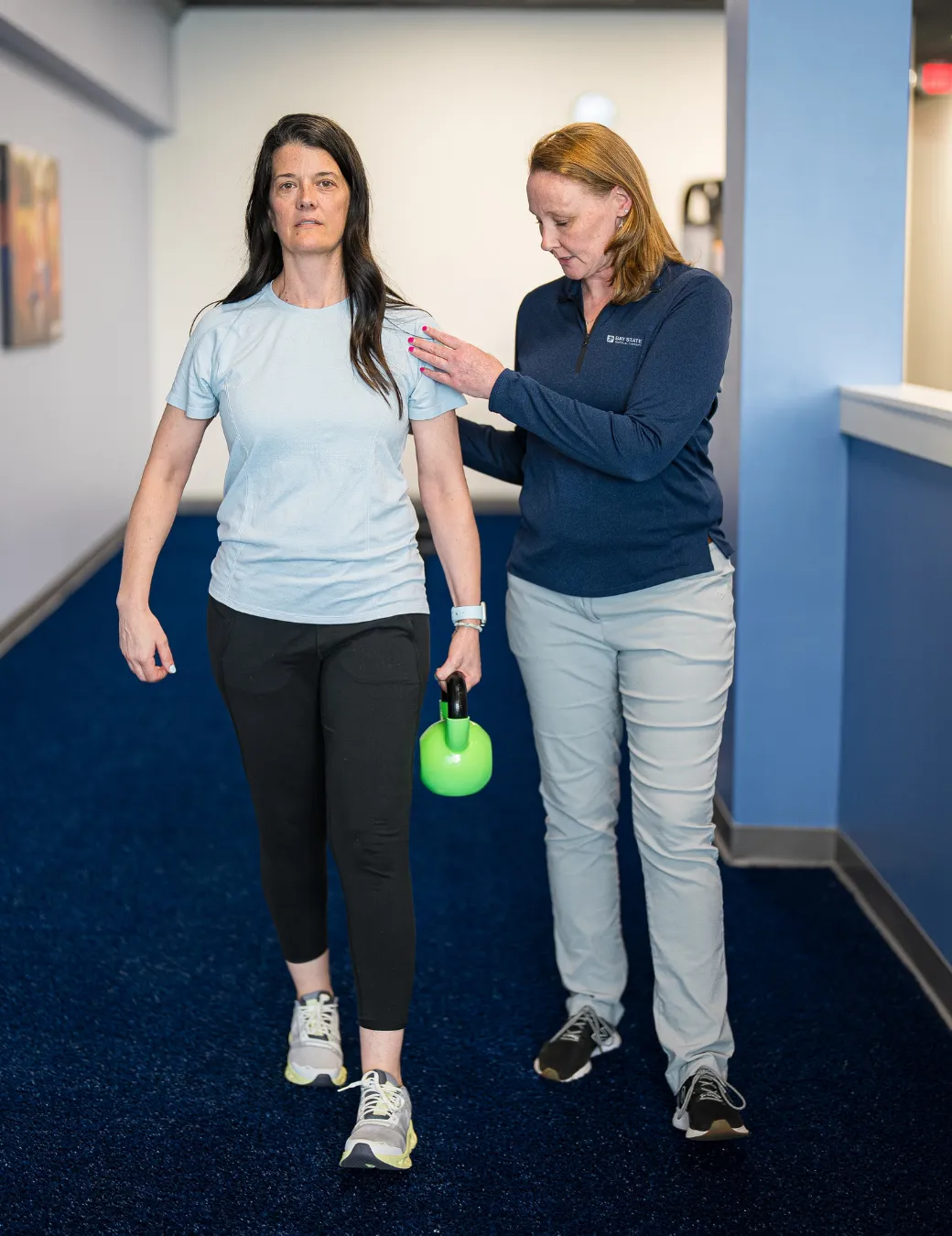


Staying active does not have to mean high-impact workouts or pushing your body to its limits. In many cases, the most effective way to support your joints is through controlled, intentional movement that helps your body move more comfortably and efficiently.
Approaches like tai chi are often described as “movement in motion” because they focus on balance, coordination, and strength—while placing minimal stress on the joints. This type of movement helps improve how your body functions as a whole, not just how it feels in the moment.
For individuals experiencing joint stiffness or early signs of osteoarthritis, this approach can be especially beneficial. Rather than avoiding movement, the focus shifts to moving in a way that supports your joints and builds confidence over time.
The goal is not to do more—it is to move better.
With the right guidance, movement can help:
At Bay State Physical Therapy, we help you take a thoughtful approach to movement—so you can stay active in a way that feels sustainable, comfortable, and aligned with your long-term health.

The exercises in this month’s newsletter are demonstrated by Nathan, a Physical Therapist Assistant at MVPT Physical Therapy in Concord, NH.
Nathan works closely with patients to improve strength, mobility, and overall movement—helping them return to the activities that matter most with greater confidence. His approach focuses on making movement feel approachable, effective, and tailored to each individual.
Outside the clinic, Nathan teaches Kempo Karate and Tai Chi to individuals of all ages, with a passion for helping people move efficiently and with purpose. Whether in self-defense or rehabilitation, he emphasizes developing focus and control—skills that support both physical progress and long-term health.
Whether you are just getting started or looking to stay ahead of discomfort, Nathan’s guidance reflects the same thoughtful, patient-centered care you can expect at your local Bay State Physical Therapy clinic.

Spinal extension and shoulder movement that translates to throwing and overhead sport actions.

Clear application to a tennis movement pattern, mimicking the action before a tennis serve with the pulling arm. The legs are working a functional squat movement just wider than the average stance.

The functional squat pattern has application in many sports. In racquet sports or lacrosse, you might see this movement done bilaterally because the athletes are holding their racquet/sticks with one or both hands.

This has a strong swimming application with the arms and is a great spinal rotation stretch. Spinal rotation is important for any sport but has significant application in tennis, baseball, and rowing activities.
Mind-body exercises, such as tai chi and yoga, have been gaining popularity over the past few decades. This isn’t surprising, given the increasing number of studies on the positive effects of these gentler forms of exercise. There’s even evidence that tai chi may help you live a longer, more vital life. With that in mind, breathe in the good air, exhale the bad air, and prepare your mind and body for whatever activities lie ahead!
If pain or injury limits your ability to be as active as you would like, call your nearest Bay State Physical Therapy location to schedule an evaluation!


Osteoporosis is a common condition affecting 55% of Americans over the age of 50, with women making up 80% of diagnosed cases. It weakens bones, increasing the risk of fractures, often with little to no warning. However, osteoporosis doesn’t have to mean giving up the activities you love. With the right care, you can stay active, strong, and independent.
If you’ve been diagnosed with osteoporosis or osteopenia (a precursor to osteoporosis), you can take steps to maintain bone health. Physical therapy, weight-bearing exercises, and proper posture can help strengthen bones, improve balance, and reduce the risk of fractures.
Osteoporosis is often called a “silent disease” because bone loss occurs without noticeable symptoms. Many people are unaware they have osteoporosis until a fall or minor stress causes a fracture—often in the hip, wrist, or spine. Some may experience back pain or a gradual loss of height, but in most cases, osteoporosis is only diagnosed after a break occurs.
For individuals with advanced osteoporosis, even everyday activities like bending, lifting, or coughing can lead to fractures. That’s why early detection and proactive care are essential.
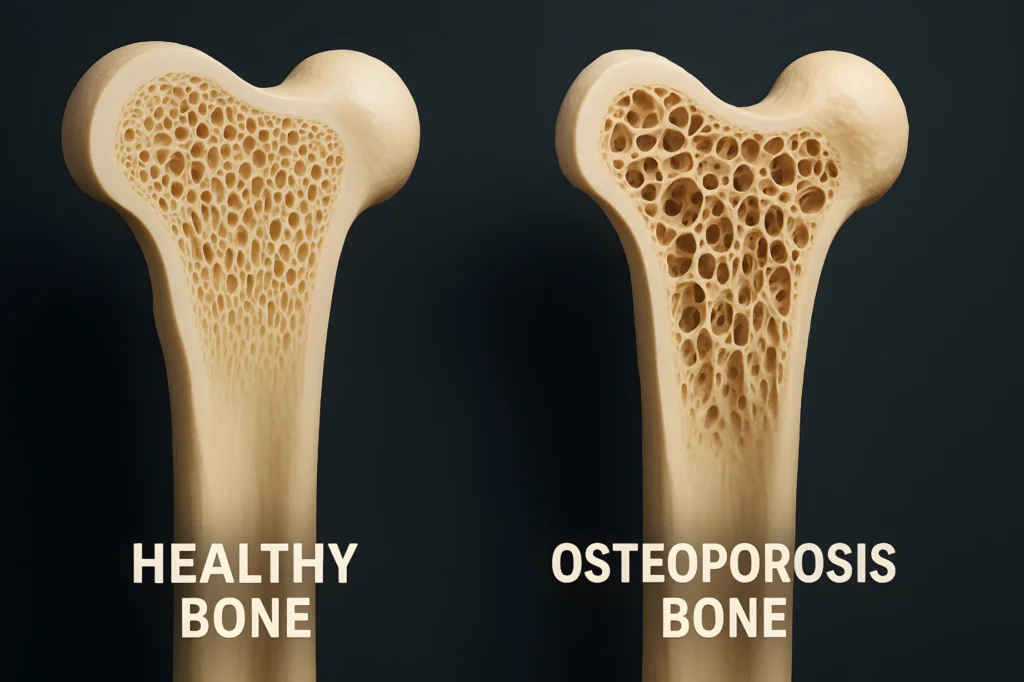
Osteoporosis occurs when bone density decreases, making bones weaker and more prone to fractures. The Bone Health and Osteoporosis Foundation (BHOF) identifies two categories of risk factors:
Some factors that increase the risk of osteoporosis are beyond your control, including:
🔹 Age – The risk increases after age 50
🔹 Gender – Women are more likely to develop osteoporosis
🔹 Family History – If close relatives have osteoporosis, your risk is higher
🔹 Body Type – Those with a smaller frame or lower body weight are more prone to bone loss
🔹 Previous Fractures or Height Loss – A history of fractures or a decrease in height may indicate weakened bones
While you can’t change your age or genetics, you can take steps to protect your bone health!
✅ Stay Active – Regular weight-bearing and resistance exercises keep bones strong
✅ Maintain a Healthy Diet – Eat foods rich in calcium and vitamin D to support bone density
✅ Choose Nutrient-Dense Foods – A diet high in fruits, vegetables, and lean proteins promotes bone health
✅ Limit Sodium, Caffeine, and Alcohol – High intake can interfere with calcium absorption
✅ Monitor Your Weight – Maintaining a healthy weight reduces the risk of fractures


Physical therapy plays a vital role in preventing fractures and improving the quality of life for people with osteoporosis. The BHOF guidelines recommend physical therapy to:
🟢 Reduce disability and improve mobility
🟢 Strengthen muscles to support bones
🟢 Enhance balance and coordination to prevent falls
🟢 Promote safe, proper posture to reduce spinal fractures
Osteoporosis can make everyday activities feel uncertain, but physical therapy provides a proactive way to maintain strength, stability, and confidence in movement. By incorporating targeted exercises and movement strategies, physical therapy helps prevent fractures, improve posture, and keep you active while reducing your risk of injury.
When you begin physical therapy for osteoporosis, your therapist will evaluate your strength, mobility, balance, and posture to create a program that fits your needs. Your sessions may include:
✔ Gentle Weight-Bearing Exercises – Walking, stair climbing, and light resistance training to improve bone density
✔ Core Strengthening Workouts – Engaging the core muscles to support the spine and reduce fracture risk
✔ Flexibility & Stretching Exercises – Keeping muscles long and flexible to prevent stiffness and improve mobility
✔ Fall Prevention Strategies – Improving balance and coordination to lower the likelihood of falls
✔ Posture & Body Mechanics Training – Learning proper movement patterns to avoid excess strain on fragile bones
A diagnosis of osteoporosis doesn’t have to define your future. With the right approach, you can stay active, build strength, and reduce your risk of fractures. Physical therapy is a safe, non-medication-based way to improve bone health and enhance mobility.
At Bay State Physical Therapy, we work closely with your healthcare team to provide a comprehensive approach to osteoporosis care. If you’ve been diagnosed with osteoporosis or osteopenia, don’t wait—take a proactive step to protect your health today! Request an evaluation today by clicking the button below, and have a stronger tomorrow.