
Sports Physical Therapy
Specialized Care for Athletes and Their Sports and Exercise Injuries
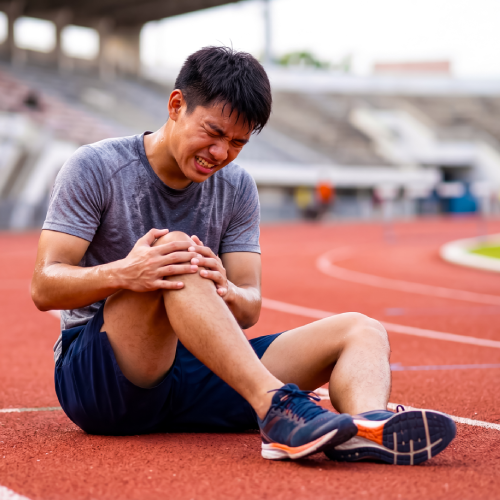
An injury can keep you from competing, training, exercising, or simply enjoying an active lifestyle. You may be dealing with a sudden injury after a fall, collision, or awkward landing, or pain that gradually developed as the demands of your activity exceeded what your body could tolerate.
At Bay State Physical Therapy, sports physical therapy starts with understanding your injury and what you want to return to doing. Your physical therapist will evaluate your current abilities and the specific demands of your sport to create a rehabilitation plan built around your goals.
Whether you want to compete again, return to your weekly run, get back on the golf course, or resume your favorite workout, we can help you prepare for what comes next.
Who Can Benefit from Sports Physical Therapy?
You do not need to be a professional athlete to benefit. Sports physical therapy is appropriate for active people of different ages, experience levels, and abilities, including:
- Student-athletes
- Runners and cyclists
- Weekend warriors
- Adults returning to exercise after time away
- Competitive and recreational athletes
- Golfers
- Fitness enthusiasts
- Athletes recovering from surgery
Every activity places different demands on the body. Runners must tolerate repeated impact. Golfers rely on coordinated movement through the hips, trunk, and shoulders. Court and field athletes need to accelerate, decelerate, jump, land, and change direction.
Sports Injuries We Treat
Some sports injuries happen in a single moment. Others build over time because of repetitive stress, changes in training, or inadequate recovery.
Our physical therapists treat many common sports and exercise injuries, including:
- Ankle sprains
- Tendon injuries
- ACL injuries
- Shoulder pain
- Tennis elbow and golfer’s elbow
- Back pain
- Overuse injuries
- Muscle strains
- Knee pain
- Meniscus injuries
- Rotator cuff injuries
- Hip and leg pain
- Shin splints
- Post-surgical conditions
Pain in the same area can have different causes. An evaluation helps your physical therapist understand what happened, identify the abilities affected by the injury, and determine what your sport will require from you.
Youth Sports Injuries
Young athletes place unique demands on their growing bodies. With nearly 60 million children ages 6–18 participating in organized sports, injuries are common as activity levels increase and training becomes more specialized. US Today reports that children ages 5–14 account for nearly 40% of all sports-related injuries treated in emergency rooms.
Common Youth Sports Injuries
Youth sports injuries generally fall into two categories: acute injuries and overuse injuries. Acute injuries happen suddenly, such as during a fall or collision. Overuse injuries develop gradually from repetitive movement and training without enough recovery time.
Helping Young Athletes Return to the Sports They Love
Because children are still growing, rehabilitation must take into account their age, development, and activity level. Our goal is not only to treat the current injury but also to help young athletes develop stronger movement patterns that reduce the risk of future injuries.
If your child is experiencing sports-related pain or difficulty returning to activity, physical therapy can help them recover safely and get back in the game.
Some of the most common pediatric sports injuries treated in physical therapy include:
- Sprains – overstretching of ligaments, commonly affecting the ankle
- Strains or pulled muscles – overstretching of a muscle or tendon
- Knee injuries – including ligament injuries or patellar tendon irritation
- Shin splints – stress along the shinbone caused by repetitive impact
What Happens During an Evaluation for a Sports Injury?
Your first visit begins with a conversation about your injury, training routine, and goals. Your physical therapist will want to know how the problem began, what aggravates it, and how it has affected your participation.
Depending on your condition and sport, the physical evaluation may include:
- Joint motion and flexibility
- Muscle strength
- Balance and coordination
- Movement control
- Walking or running mechanics
- Jumping, landing, or changing direction
- Upper-body or throwing movements
- Tolerance for repeated activity
Rehabilitation That Progresses with You
Early treatment may focus on settling an irritated area, restoring motion, and rebuilding basic strength. As you improve, rehabilitation should become more demanding and more specific to what you need to do.
Your care may include:
- Progressive strength and mobility exercises
- Balance and coordination training
- Running or movement-mechanics assessment
- Jumping, landing, and agility exercises
- Endurance and conditioning activities
- Guidance for modifying training
- A home exercise program
Returning to everyday activities is an important milestone, but it may not mean you are ready for unrestricted sports participation. Your body may still need to tolerate greater speed, force, repetition, or fatigue.
Bay State Physical Therapy helps bridge that gap by gradually preparing you for the real demands of your activity.
Rehabbing an Injury and Preparing to Return to Sports
An athlete’s body works as a connected system. A knee injury can be influenced by hip strength, balance, landing control, and tolerance for repeated impact. Returning to throwing after a shoulder injury may require adequate motion and control throughout the shoulder, upper back, and trunk.
Your physical therapist will look beyond the painful area to determine which factors are relevant to your injury.
Treatment can then address both your immediate limitations, and the larger movement demands of your sport.
This does not mean every injury has one correctable movement fault. It means your rehabilitation considers the complete task you are preparing to perform.
Returning Safely to Sports
Pain relief is important, but it is only one part of deciding whether you are ready to return.
Depending on your injury, your physical therapist may also consider:
- Strength compared with your other side
- Balance and movement control
- Tolerance for repeated activity
- Response during and after progressively harder training
- Joint motion
- Ability to run, jump, land, or change direction
- Confidence performing sport-specific tasks
Return to sport is usually a gradual process rather than a single date. You may begin with modified practice, controlled drills, or reduced training volume before returning to full participation.
Frequently Asked Questions About Sports Physical Therapy
Treatment uses the same evidence-based principles as orthopedic physical therapy but places greater emphasis on the movements and physical demands of the patient’s activity. Rehabilitation may progress to running, jumping, landing, throwing, agility, or other sport-specific tasks.
A competitive athlete may need to prepare for full-speed play, while a recreational runner may want to return to a weekly route. Your rehabilitation should reflect the level and type of activity you want to resume.
Seek prompt medical attention after significant trauma if you cannot bear weight, the injured area appears deformed, or you experience serious neurological symptoms.
Your physical therapist can help you determine what your body currently tolerates and develop a plan for gradually rebuilding your participation. The goal is to keep you appropriately active without repeatedly aggravating the injury.
Your therapist can also help you increase your activity gradually, so your body is better prepared for the demands of your sport.
The appropriate criteria depend on your injury and activity. Your therapist will use your progress and your sport’s demands to guide a gradual return.
Get Back to the Activities You Love
Sports injuries are frustrating, especially when your activity is an important part of your health, identity, or routine.
At Bay State Physical Therapy, we will meet you where you are and help you work toward where you want to be. Your care will connect each stage of rehabilitation to your goals, whether that means returning to competition or simply getting back to an active life.
Request an appointment and take the next step toward moving better, feeling better, and living better.
Virtual Physical Therapy for Sports and Exercise Injuries
Begin your recovery without putting care on hold. Virtual physical therapy connects you one-on-one with a licensed Bay State physical therapist through convenient video visits, with appointments available within 24–48 hours.
Whether you’re a runner, student-athlete, recreational soccer player, or fitness enthusiast, your therapist can assess your movement, review exercise technique, and guide exercises tailored to your injury and goals. Your plan may include strengthening, mobility work, and practical adjustments to your training as you build toward returning to your sport.
Virtual PT is available to eligible patients located in Massachusetts. Complete our form, and our team will help you get started.