







There is often a quiet moment when people first notice change. Perhaps stairs feel a little harder than they once did. A long walk leaves you stiffer the next morning. An activity you enjoy takes more effort than it used to.
Many people assume these changes are simply something to accept with age.
While changes in strength and mobility can be common over time, they are not always something you have to ignore or simply work around. The ability to move well influences much more than comfort. It affects the everyday activities that help people maintain independence and continue living actively.

Strength and movement help make these activities possible, which is one reason physical therapy can play an important role not only in recovery, but in healthy aging. Because when you move better, you can often feel better. And when you feel better, you are better able to live better.
Many people think of strength as something tied only to fitness. In reality, strength contributes to the movements people rely on every day. It influences not only how you move, but how confidently you move.

Strength also helps protect the joints. Muscles absorb force, contribute to stability, and assist with movement, which may help reduce unnecessary strain on the body. When strength declines, everyday tasks can sometimes begin to feel harder, and movement may gradually become more cautious or limited.
Just as important, strength can influence confidence. When people feel stronger and steadier, they often feel more willing to stay active, continue routines they enjoy, and participate more fully in daily life. And that matters, because activity often reinforces activity. The more confidently you move, the more likely you may be to keep moving. That can help preserve the ability to continue doing the things that matter most and help protect the life you love.


Research continues to show the role of exercise and physical activity in helping older adults maintain strength, mobility, balance, and physical function.
Physical therapy is not only about recovering from injury. It can also help improve strength, mobility, balance, and function in ways that may enhance how you move in everyday life.
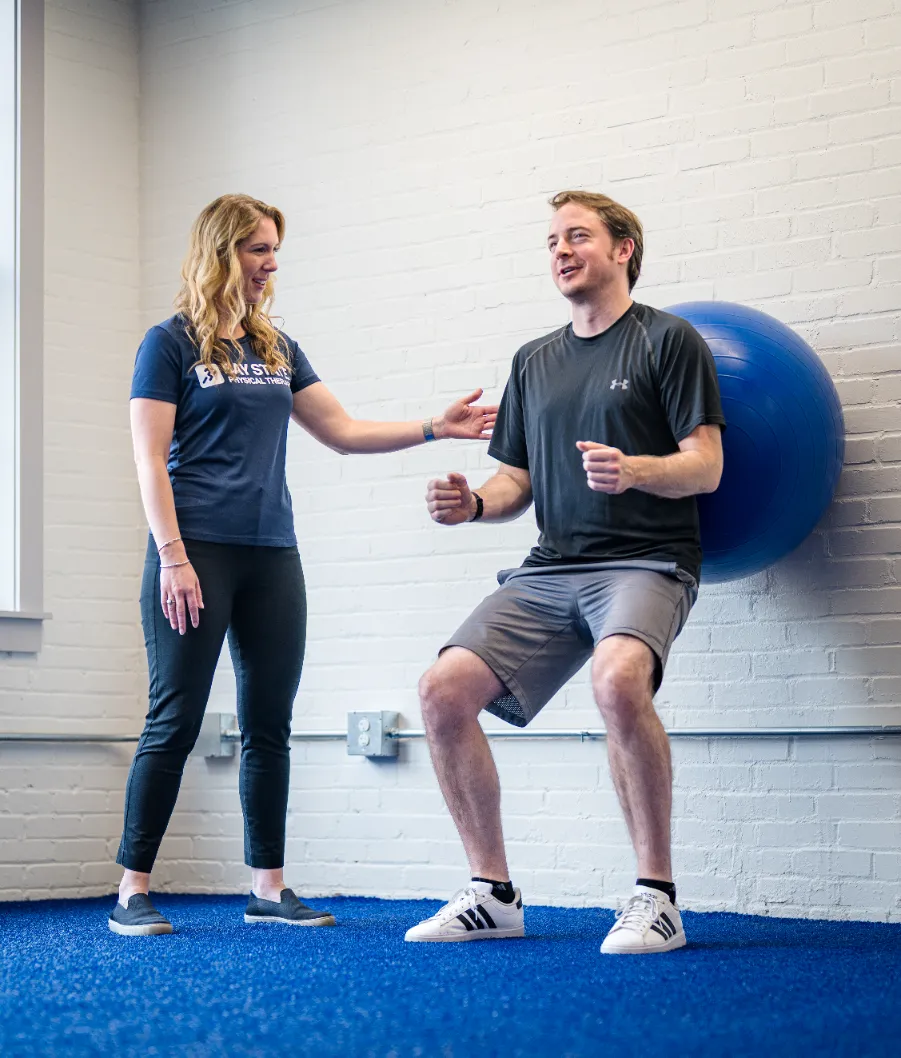
Physical therapists are movement specialists trained to evaluate how the body is moving, identify limitations, and develop personalized plans designed around your goals. Depending on your needs, care may include:
For many people, even small improvements in strength, mobility, or balance can make a meaningful difference over time. That is why addressing movement concerns early can be valuable.
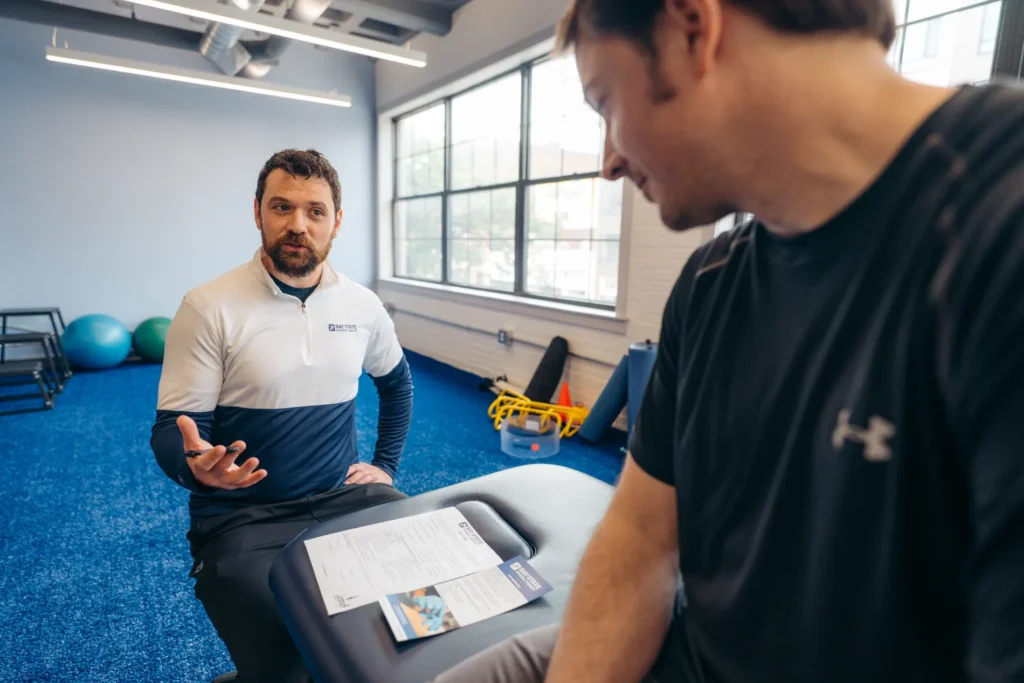
Sometimes movement changes do not show up all at once. More often, they show up quietly in the small decisions people begin making every day. You may benefit from an evaluation if:

Maybe you have passed on a longer walk, cut back time in the garden, skipped the beach because uneven sand feels difficult, or thought twice about joining family for an outing because you are unsure how your body will feel afterward.
Sometimes what looks like “slowing down” is really adapting around a problem.

Perhaps you tell yourself you will sit this one out, wait until next season, or avoid the hike, the neighborhood walk, or the pickleball game because discomfort, stiffness, or fatigue may get in the way.
Pain and limitation can sometimes begin to shape plans before people fully realize it. And summer has a way of bringing those limitations into sharper focus.

Maybe stairs feel less comfortable. Getting up from the ground feels harder. You feel less steady on uneven surfaces. Or you simply do not trust your body the way you once did. Those changes are worth paying attention to. Early guidance can help address concerns before small limitations become bigger ones and may help you stay active for the season ahead.
Do not let discomfort quietly rewrite the plans you were looking forward to this summer. That is where physical therapy may help.

At Bay State Physical Therapy, we believe progress should be meaningful, not just measurable. As the Northeast’s leading provider of expert physical therapy, we are committed to helping patients make progress that matters in daily life.
Our patient outcomes exceed national benchmarks for meaningful improvement by 77%, reflecting our commitment to helping patients make progress that matters in daily life, whether that means walking more comfortably, improving balance, or returning to the activities you enjoy.
Those outcomes begin with our clinicians. Through exceptional training and ongoing professional development, our physical therapists are equipped to deliver high-quality, personalized care designed around each patient’s needs and goals.
But better care is not defined by clinical skills alone. It is also shaped by the deep commitment every team member brings to helping each patient improve, overcome challenges, and achieve meaningful progress.
That combination of clinical excellence and genuine commitment to you, our patient, helps us deliver better care, which helps deliver better outcomes. That is the kind of progress physical therapy is designed to help support.
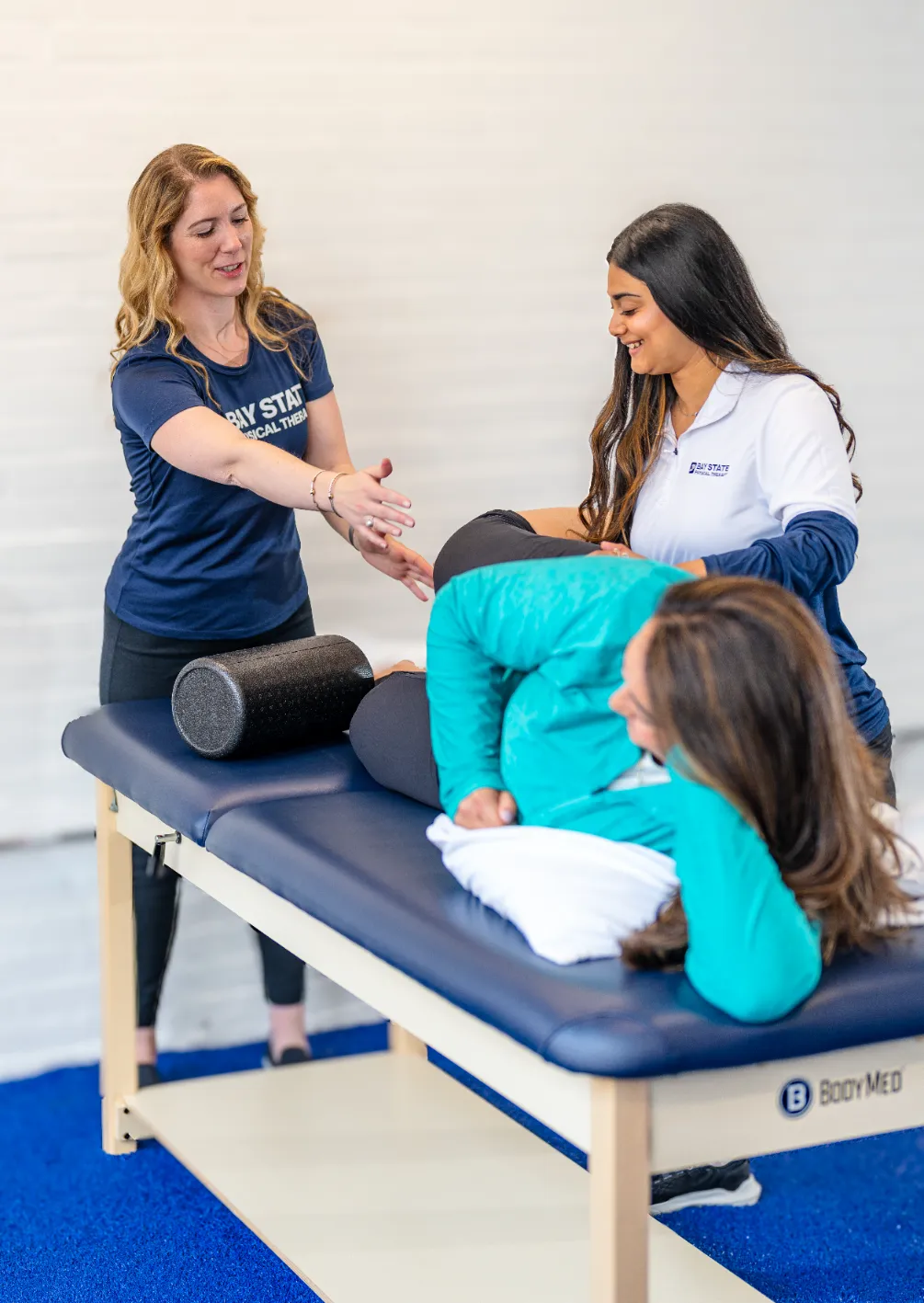
And keep doing more of what you love this summer and beyond.


Summer often brings a return to the activities people enjoy, from tennis and golf to gardening, yard work, and weekend projects. But when gripping, lifting, or repetitive motions increase, elbow pain can sometimes follow.
Whether you are an ace on the court or you have never picked up a racquet, your symptoms may be related to lateral epicondylitis, commonly known as tennis elbow.
Lateral epicondylitis is a painful overuse condition involving the muscles and tendons that help control movement at the wrist and elbow, especially during gripping and rotational movements. It often develops gradually when repeated stress irritates the tendon where these muscles attach near the outside of the elbow.
Lateral epicondylitis can be associated with recreational activities such as tennis or gardening, but it can also develop through repetitive motions involved in work or everyday tasks.
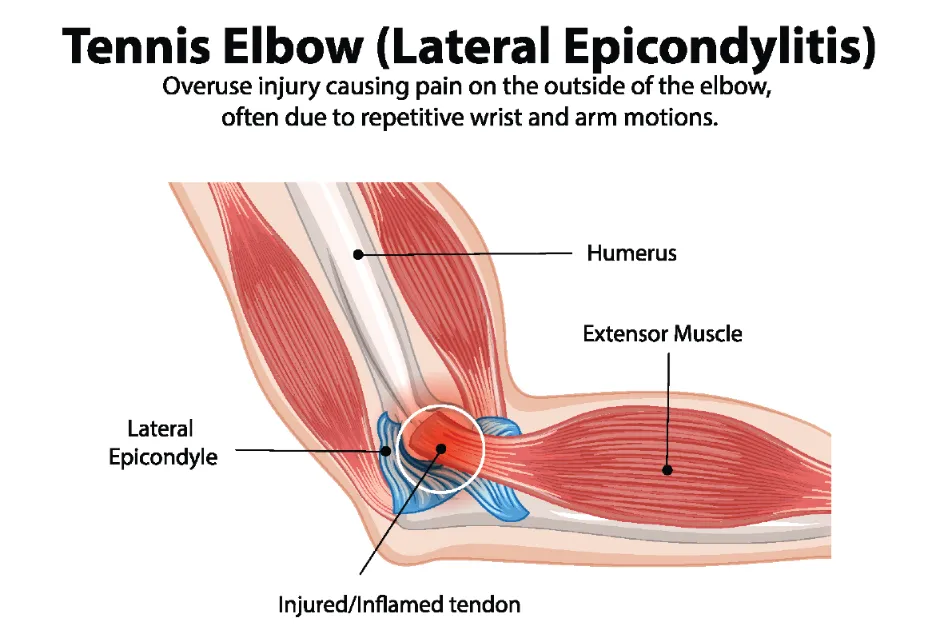

Symptoms of tennis elbow can vary, but often include:
In some cases, even simple tasks, such as lifting a cup or turning a doorknob, may become uncomfortable.
Repetitive gripping, lifting, and twisting activities can increase strain on the elbow, especially when activity ramps up in the summer. These simple habits may help reduce unnecessary stress.

The goal is not to stop doing the activities you enjoy this summer. It is to keep doing them more comfortably.
Physical therapy can help reduce pain and improve function through a personalized plan designed around your needs and goals. Care may include:
Many overuse-related conditions may be reduced or, in some cases, prevented through good movement habits, activity modifications, and early attention to symptoms.


Medial epicondylitis, commonly known as golfer’s elbow, can cause similar discomfort with gripping, lifting, and twisting, but the pain occurs in a different location.
Both can develop from overuse, repetitive strain, or activity demands, and both can often respond well to a personalized physical therapy plan.
Your physical therapist is an expert in the musculoskeletal system and can help you better understand your symptoms, your diagnosis, and the best path forward.
Do not let a short-term irritation become a longer-term limitation. If elbow pain is affecting work, recreation, or the activities you enjoy this summer, schedule a physical therapy evaluation today.



Got an aching back? You’re not alone. In fact, you’re among the 85% of people, at any given point, who are going to have some degree of back pain annually. And you can’t simply chalk it up to age. Our sedentary way of life—with prolonged sitting at school, work, or during long car trips—can easily result in back pain. So, what can you do?
Adding trunk stability exercises and stretches can have a big effect on improving your comfort by strengthening abdominal and back muscles and improving your flexibility and balance. To help you make the most of summer, Cathy Sullivan, PT, MSPT, our Bay State Physical Therapy, Plymouth Clinic Manager, has provided a few strength and flexibility exercises for your low back and trunk.

This month’s featured exercises for Lumbar Spine & Trunk Mobility are brought to you by Cathy S., PT, MSPT, Clinic Director at Bay State Physical Therapy – Plymouth. With more than 25 years of experience and a deep passion for helping people move with confidence, Cathy brings unmatched energy and expertise to every session. Known for her thoughtful, hands-on approach, Cathy specializes in spine care, post-surgical rehab, and empowering her patients to stay strong and mobile at every age. Her go-to exercises this month are all about unlocking flexibility and restoring motion, so you can keep doing what you love without skipping a beat!
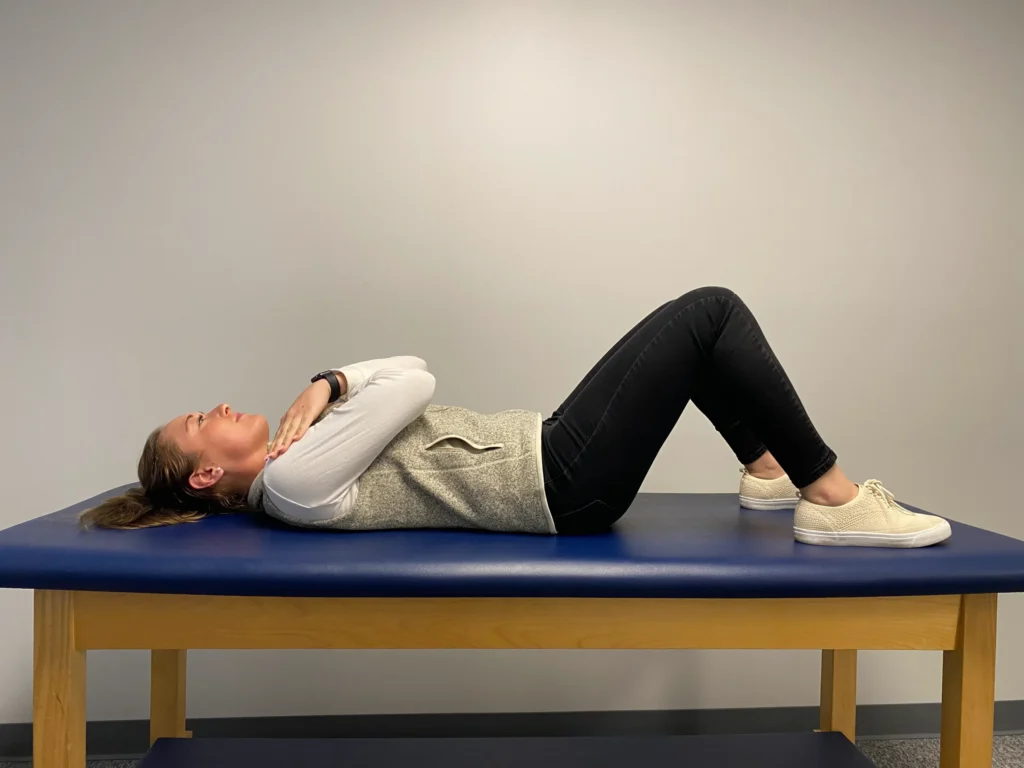
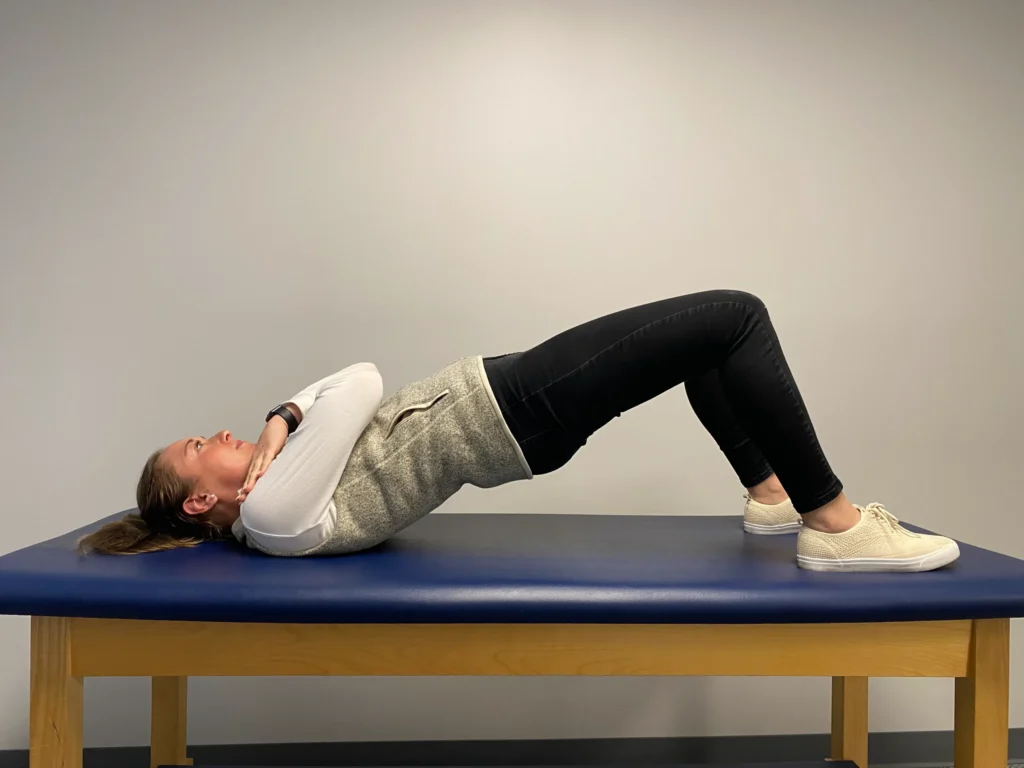
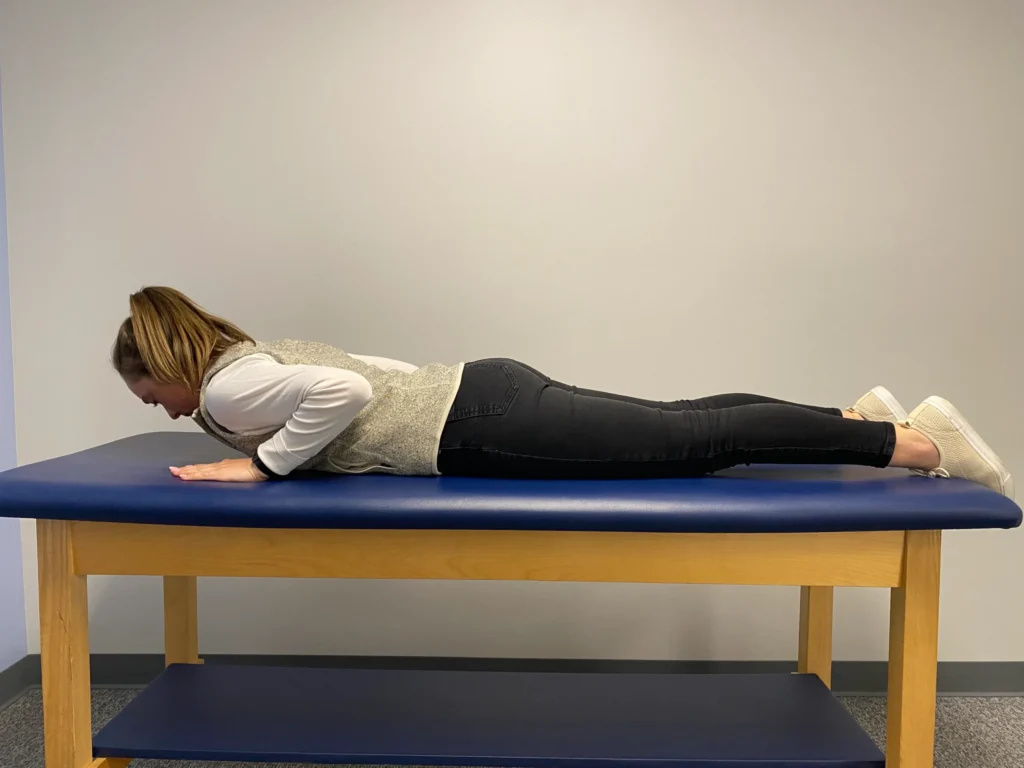
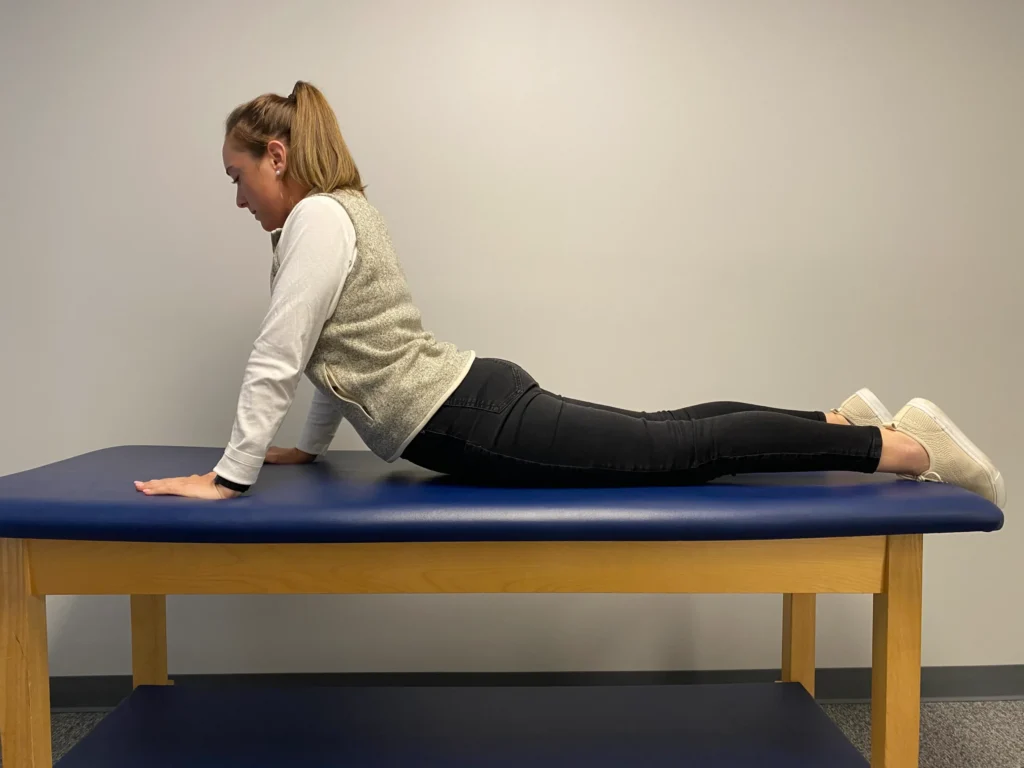
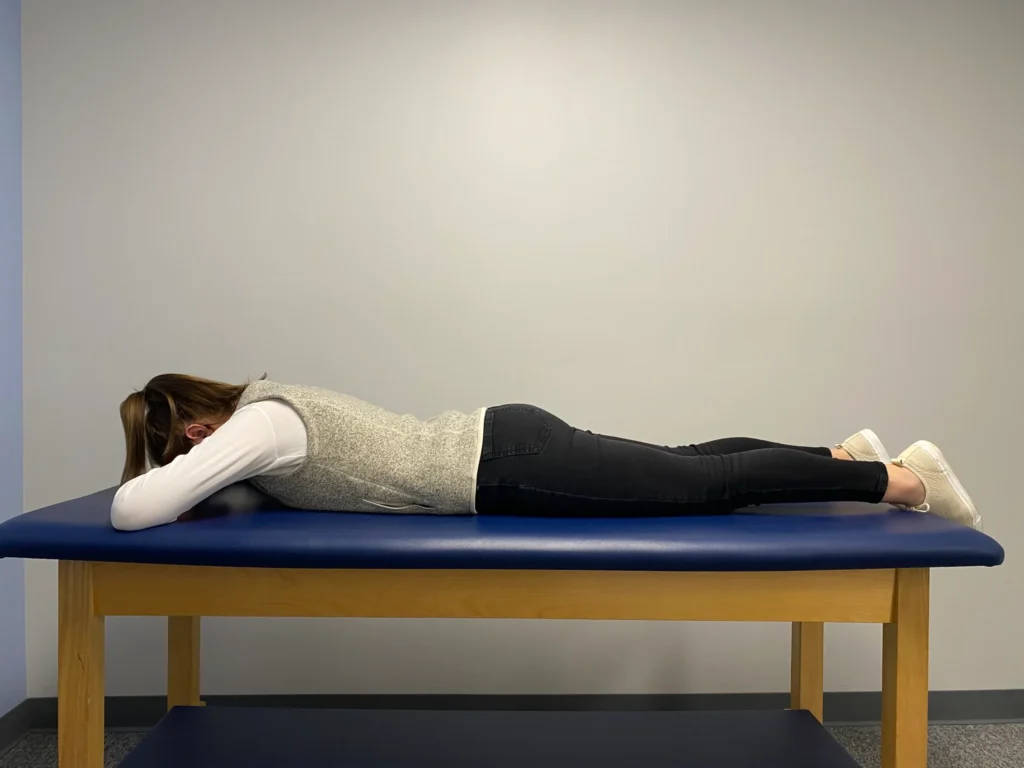
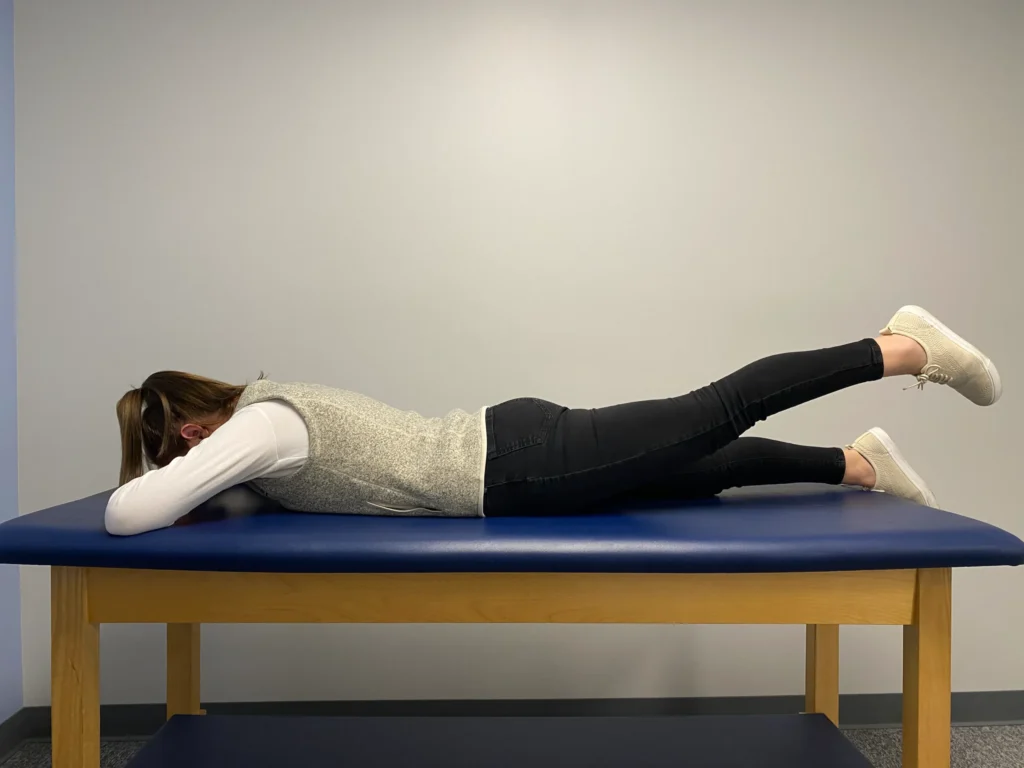
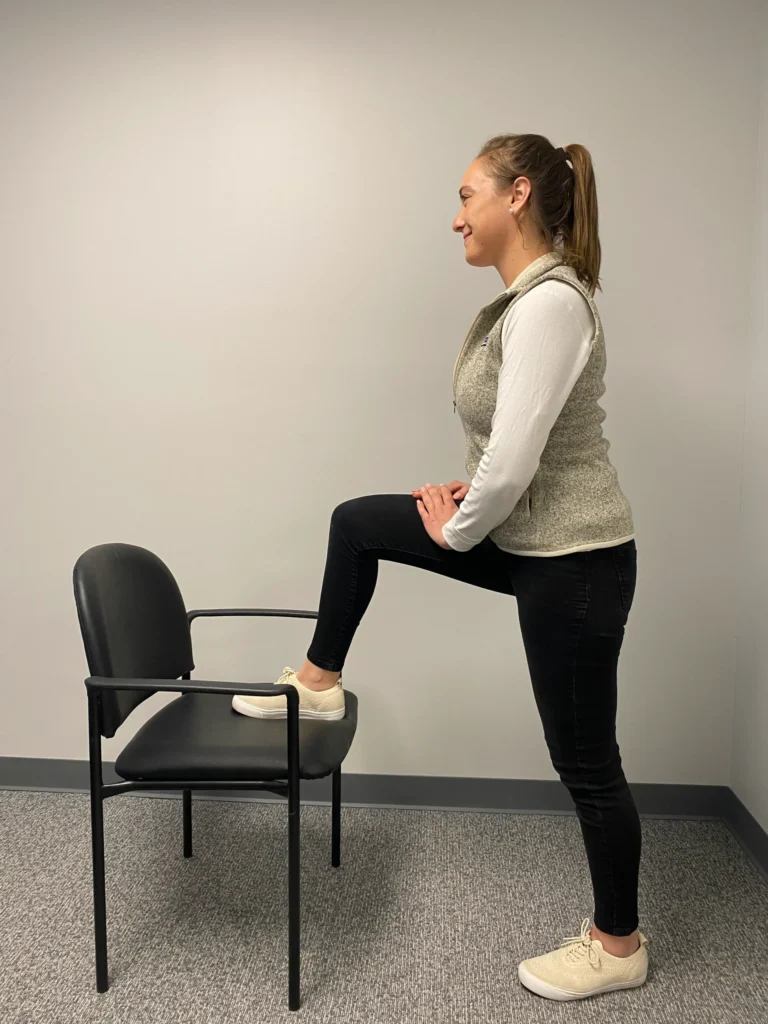
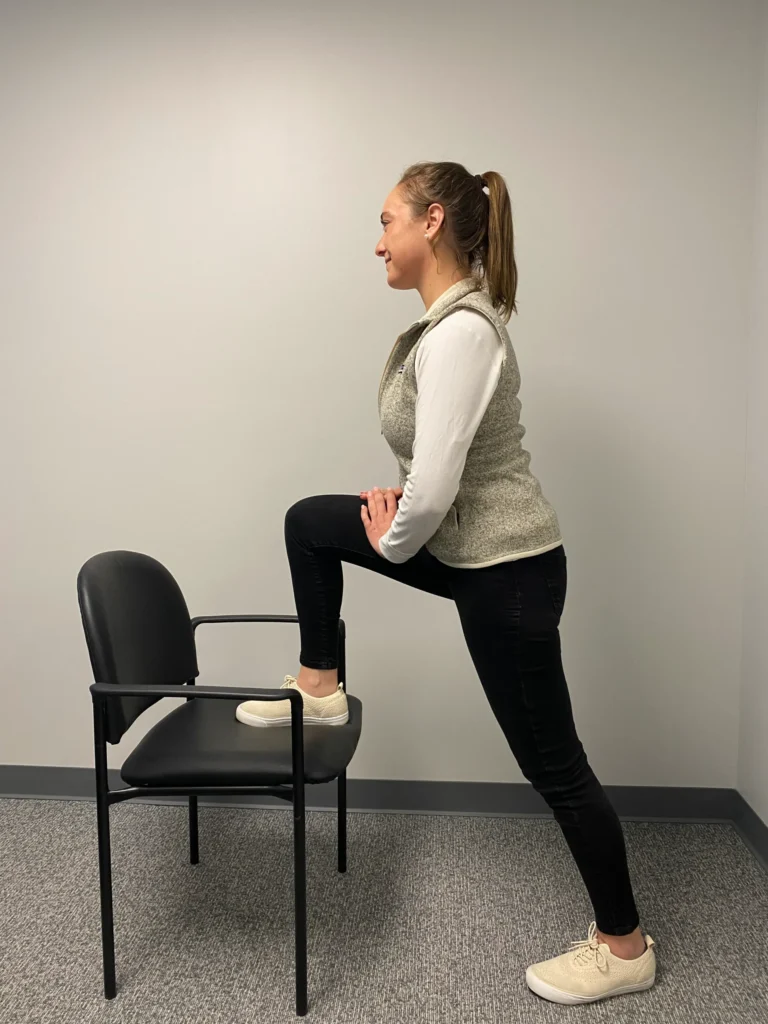
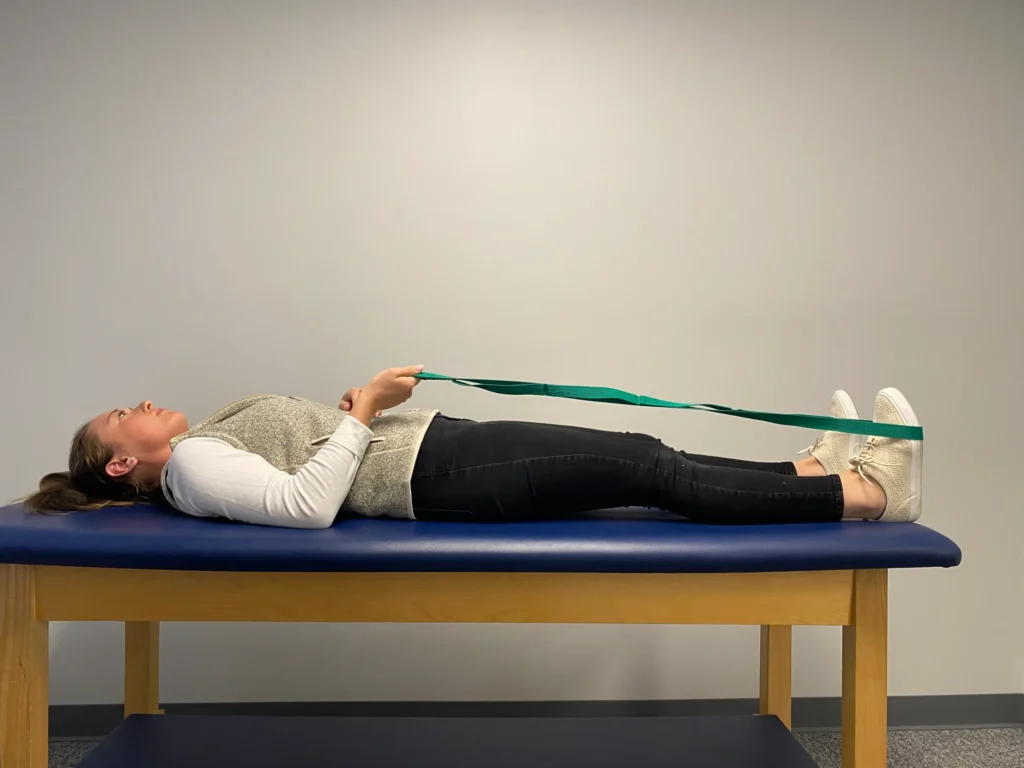
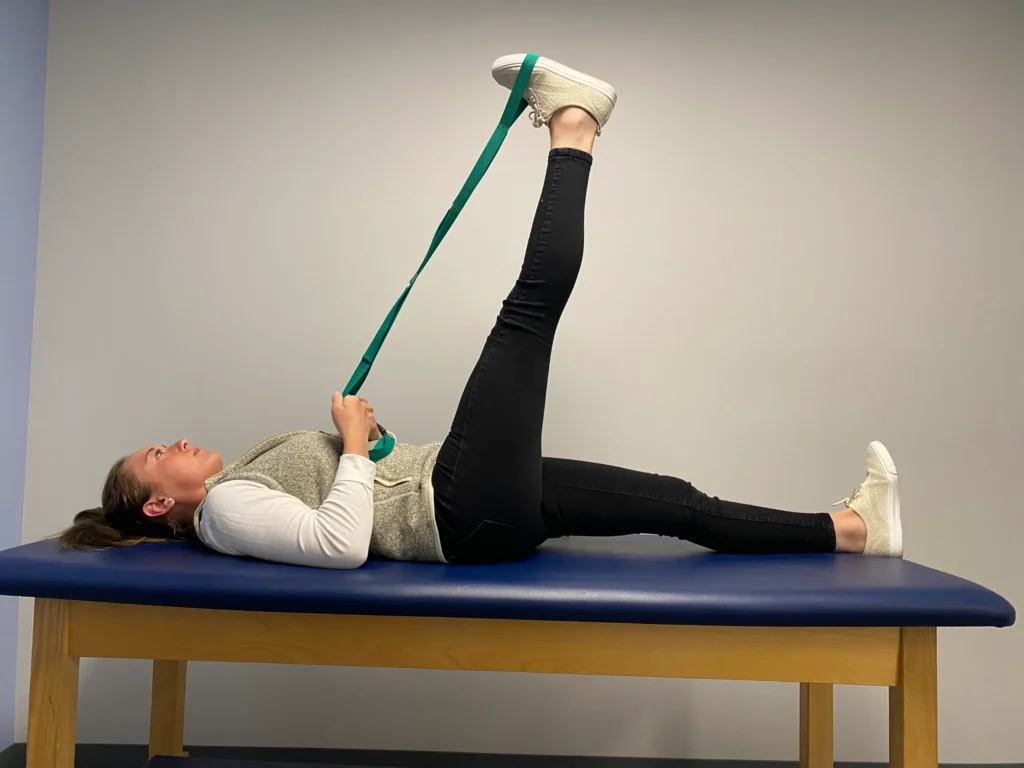
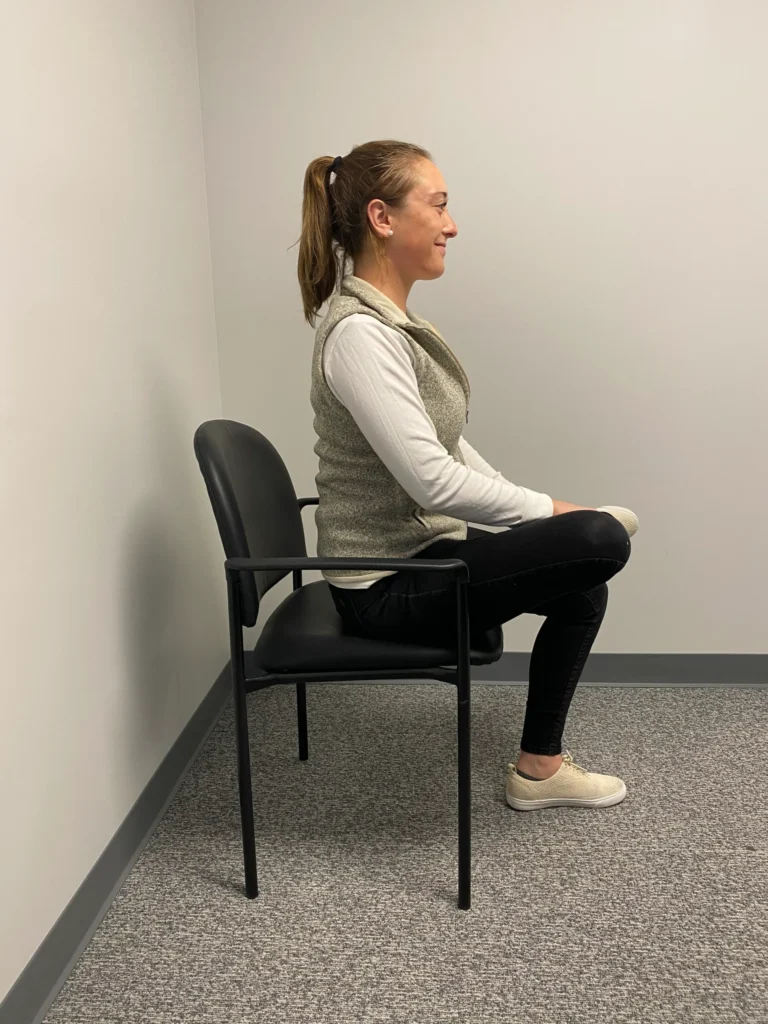
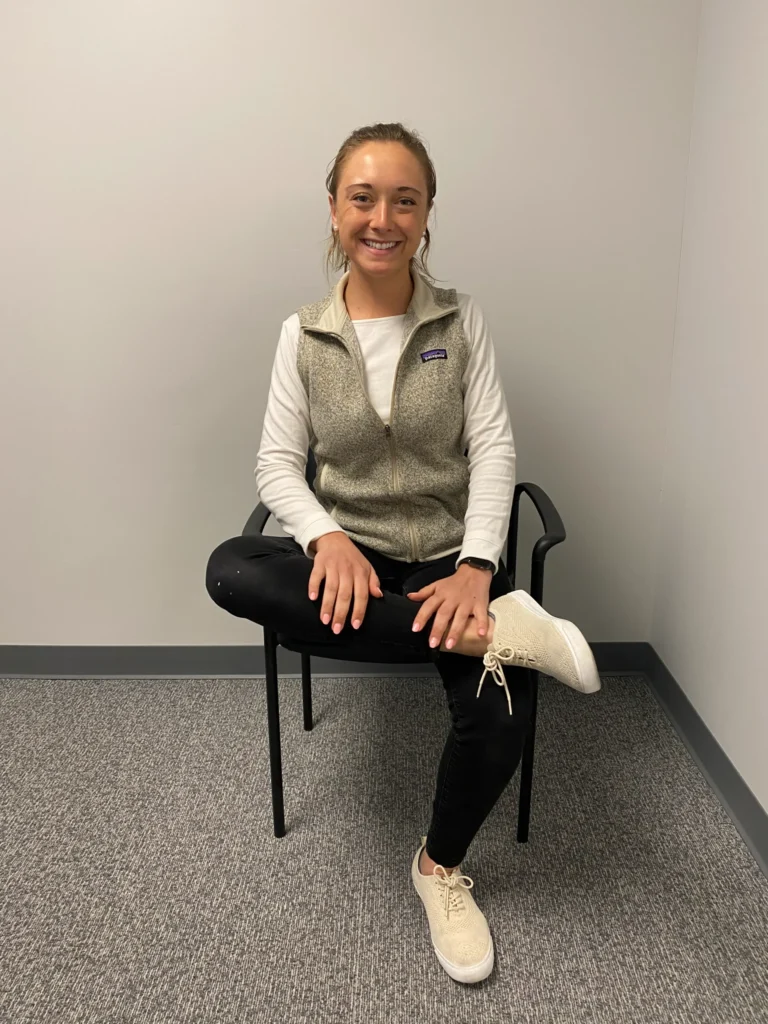
If you’re unable to be as active as you’d like due to back pain, you don’t have to accept sitting out on life. Back pain may not be life-threatening, but it doesn’t have to threaten the life you want to live. As your partner in health, our team is just a call or click away. Contact your nearest Bay State Physical Therapy location or click the button below to request an appointment.


When the final whistle blows, the off-season begins.
For young athletes, this is not simply a break from competition. It is an opportunity to recover, develop, and address the physical demands a long season may have exposed.
In a youth sports culture that often encourages year-round competition and early specialization, the off-season can play an important role in supporting injury prevention, reducing burnout, and promoting long-term athletic development.
Performance is often built in the off-season, even when it is revealed in season.
While the allure of year-round play may be strong, more competition does not always mean better development. Without time to recover, build foundational strength, and vary movement demands, young athletes may be more vulnerable to overuse injuries, fatigue, and burnout.
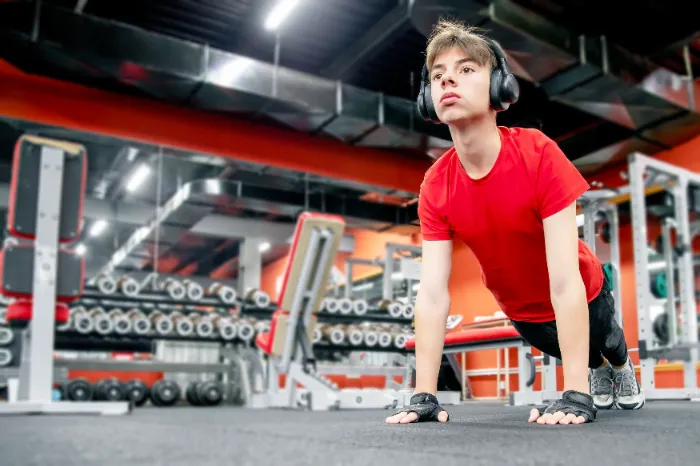

Strength is foundational to athletic performance, and the off-season can be an ideal time to develop it. This is an opportunity to improve strength, coordination, balance, and movement mechanics in ways that may be harder to prioritize during the season.
For young athletes, the focus should be on building sound movement patterns and a strong foundation that can help support both performance and injury prevention.
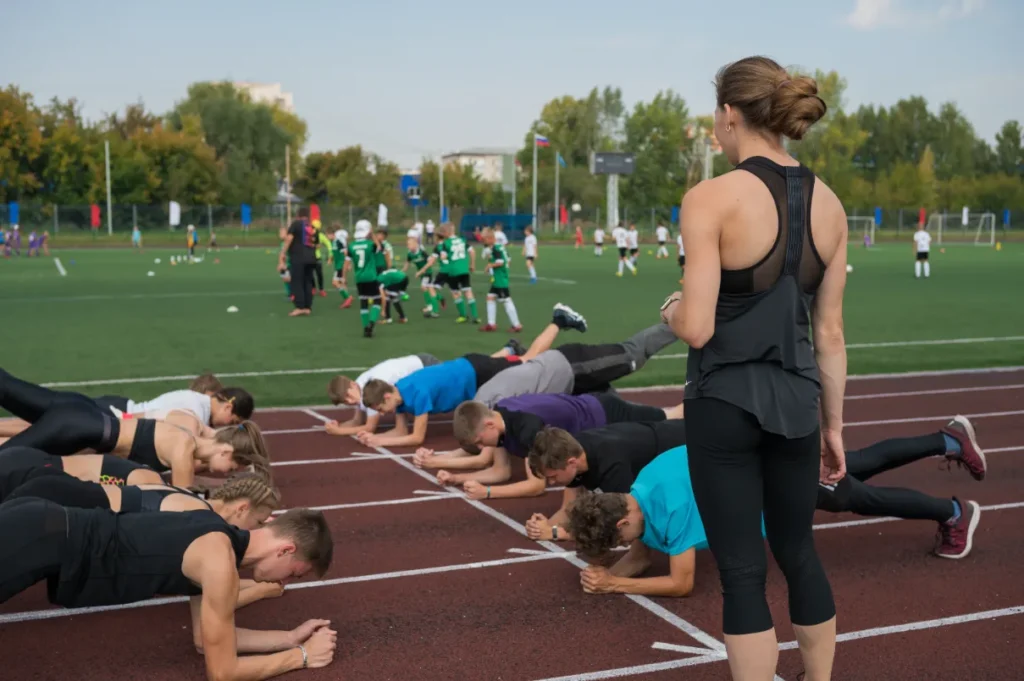
Young athletes often benefit from varied movement experiences. Different activities can help develop coordination, body awareness, athleticism, and help reduce repetitive stress that may come with doing the same sport year-round.
That is one reason a thoughtful off-season can be valuable.

As the Official Injury-Prevention Partner of the Massachusetts Youth Soccer Association, Bay State Physical Therapy is committed to helping support athletes on and off the field.
Whether it is addressing lingering injuries, supporting recovery, or helping young athletes move and train well, our team is here to help.
Download our Injury Prevention Guide to learn more.
The off-season is not a pause in progress. In fact, it’s often where meaningful progress begins. By approaching this time with intention, young athletes can build resilience, support long-term development, and return to their season better prepared for the demands ahead.
At Bay State Physical Therapy, we are here to help support athletes at every stage of that process.
Need guidance? Schedule a physical therapy evaluation today.