

We all aspire to live an active and healthy lifestyle. Yet, health barriers or injuries can sometimes get in the way, leaving us in pain and struggling to move freely. Frequently, the go-to solution for many individuals in pain is to turn to prescription pain medications, such as opioids. However, as the opioid crisis continues to impact communities, it’s crucial to explore safer alternatives that don’t simply mask symptoms but actually address the root causes of pain.
Physical therapy is a powerful tool to reduce pain, improve movement and health, and help individuals avoid opioid use. There are many reasons to choose physical therapy, especially if you seek to resolve the underlying source of your pain and learn valuable tools to help prevent recurrence in the future.
The Opioid Crisis: A Disturbing Reality
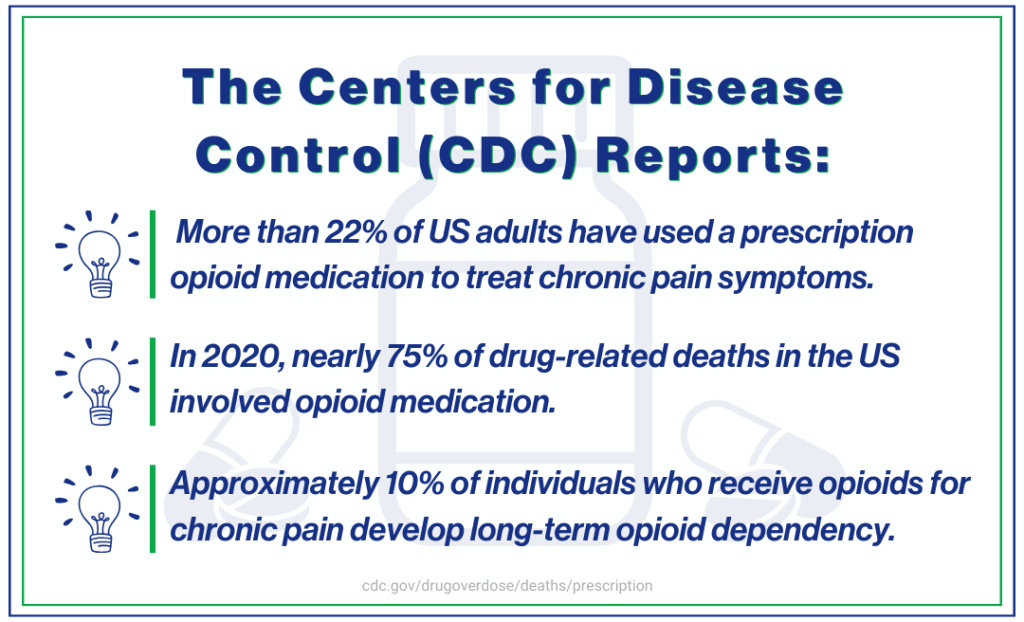
It is well known that in the United States, there has been an opioid crisis for years. Opioid dependency can affect anyone, regardless of age, gender, or socioeconomic status. Many individuals initially receive opioids as a legitimate pain management tool but inadvertently become trapped in the cycle of dependency.
The situation demands a shift in mindset from medication-based management for pain towards safer alternatives that effectively manage pain, resolve the underlying physical ailment and minimize the risks associated with opioid use.
Physical Therapy: An Effective, Medication-Free Solution
Physical therapy is a proven and trusted approach to pain management that stands apart from medication-based solutions. By identifying and targeting the underlying causes of symptoms and focusing on the body’s ability to heal itself, physical therapy empowers individuals to gain control over their pain and promotes healing.
Physical therapy can help reduce pain, improve movement and health, and reduce opioid usage. Here’s how:
Pain Reduction
Physical therapy offers various techniques to address pain directly. Manual therapy, including joint mobilization, can help reduce pain and restore proper movement patterns. Therapeutic exercises, tailored to the individual’s specific needs, strengthen muscles and increase flexibility, which can alleviate chronic pain over time. Additionally, modalities like trigger point therapy, dry needling, and electrical stimulation (‘E-stim’) can temporarily relieve pain and inflammation, reducing the need for pain medications.
Improved Movement and Function
Pain often restricts movement and limits daily activities. Physical therapy focuses on restoring optimal movement and function through targeted exercises and interventions. Therapists utilize specialized techniques, such as stretching, strengthening exercises, and balance training, to help individuals regain strength, mobility, and coordination. By addressing movement impairments, physical therapy enables individuals to resume their daily routines and activities, promoting a healthier and more active lifestyle and further reducing the need for prescription medications to do so.
Education and Empowerment
One of the most significant aspects of physical therapy is patient education. Physical therapists provide valuable knowledge about the body, pain management strategies, and self-care techniques. This highly personalized education empowers individuals to take an active role in their own recovery and make informed decisions about their health. By understanding the mechanisms behind their pain and learning how to manage it effectively, patients can avoid unnecessary reliance on opioids and use their newfound knowledge to promote long-term well-being.
Holistic Approach
Physical therapy takes a comprehensive approach to healing, focusing on the physical and mental aspects of health and well-being. Physical therapy aims to improve the patient’s overall quality of life by addressing the entire person rather than just their symptoms. PTs work closely with patients, considering their unique circumstances and goals, to develop a personalized treatment plan. This comprehensive approach ensures that patients receive the individualized care they need to achieve long-lasting pain relief and improved health.
Embrace Physical Therapy For Healing And Well-Being
Opioid usage can have devastating effects, leaving individuals unable to break the cycle of pain. However, there is hope. Physical therapy offers a medication-free and holistic approach to pain management. By reducing pain, improving movement and function, and empowering patients through education, physical therapy is a compelling alternative to prescription pain medications.
If you are suffering in pain, it’s time to take control of your healthcare. Talk to your medical provider about the benefits of physical therapy to treat your pain. Working together, we can improve your health and well-being and build healthier communities along the way.
To learn more, call your nearest Bay State Physical Therapy location or complete the form below to request an appointment.
Resources: