
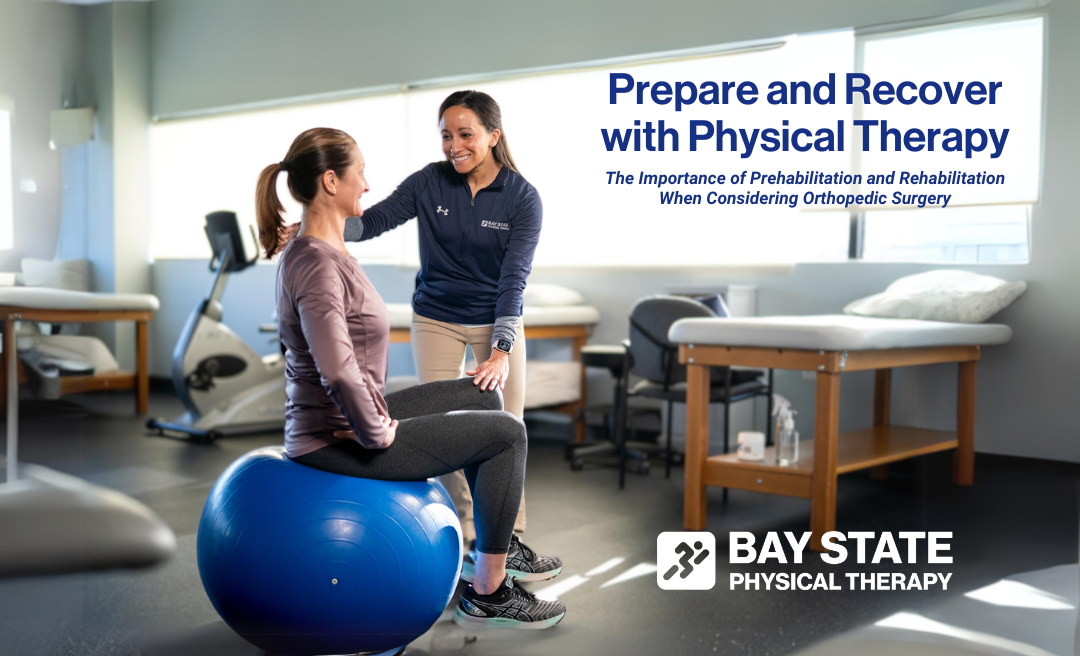
The Importance of Prehabilitation and Rehabilitation When Considering Orthopedic Surgery
The unique challenges of long, cold winters in the Northeast can cause many people to delay routine healthcare and surgeries. For many, these surgeries are pushed to spring. In the midst of winter, now is the perfect time to chart your healthcare plan that tackles any outstanding aches and pains, especially if your future includes surgery. It’s also the perfect time to learn about prehabilitation and rehabilitation.
While advancements in surgical procedures have improved the lives of millions of people around the world, surgery is still a massive undertaking and can come with significant side effects, financial burdens, and extensive recovery periods. In some cases, physical therapy can be used to avoid surgery altogether. However, when surgery is necessary, working with a physical therapist before surgery can prepare your body for the upcoming procedure and contribute to a speedier recovery! And, when you plan ahead, you can also be certain you’ll have the access needed to start rehab after your surgery, so you can stay on track with your recovery timelines.
Your Health Is an Investment
If you’re experiencing pain or considering surgery, we encourage you to talk to your medical provider about trying physical therapy first, or as we like to say, “PT First.” Working with a physical therapist at the first sign of pain can reduce inflammation, pain, and reliance on pain medications while restoring function. Do you have surgery scheduled in the coming months? Early physical therapy may improve your symptoms now so you can delay the procedure to later in the calendar year when it may suit your schedule better. Enlisting the help of a physical therapist before surgery can also optimize your post-surgical outcomes!
Your Partner in Health, Always Here To Help
Prehabilitation
Prehabilitation consists of a carefully crafted therapy program that prepares your entire body for surgery. Working with a physical therapist before surgery can be incredibly beneficial.
In the weeks or months before surgery, prehabilitation helps improve your:
- Function– Physical therapists have a rich understanding of surgical interventions and their impacts on the body. In addition to building strength before surgery, your body will benefit post-surgically too.
- Mobility- Your time spent in prehab will help maximize your range of motion and flexibility. This is especially important as increased mobility will help you return to your normal function following surgery.
- Education– You’ll learn exercises and other important information about what to expect following your procedure to enhance your recovery.
- Relief– As you prepare your body for surgery, mobility and strengthening exercises can reduce your pain to manageable levels.
- Strength– Improve overall strength, especially in your core and the other areas not undergoing surgery, and help you handle the added workload that comes from utilizing mobility devices such as crutches, walkers, slings, or braces following surgery.
With its significant effects on function, mobility, and strength, prehab has been shown to accelerate post-operative recovery and reduce time spent in the hospital after surgery. That’s a win for everyone!
Rehabilitation
When many people think of physical therapy, care after injury or surgery comes to mind. Physical therapy is one of the most effective forms of rehabilitation after surgery. Your physical therapist will work directly with your surgeon to understand the findings and outcome of your operation. Using this information, they’ll work collaboratively with you to establish a program that sets short- and long-term goals to help you return to optimal function and the activities you love. During rehabilitation, physical therapy can:
- Help Ensure Safety at Home– While the effects of the surgery still linger, daily activities can be difficult and even dangerous. Although activities like walking, showering, or getting dressed may seem easy, they can be quite daunting when faced with post-surgical limitations. Your physical therapist will teach you the safest ways to accomplish your activities.
- Increase Mobility and Strength– Tightness and swelling following surgery can be normal. But if these aren’t addressed, they can lead to lasting limitations on your range of motion. Following the established rehabilitation protocol provided by your surgeon, your physical therapist will help increase your function through strength exercises, movement activities, and manual techniques.
- Ease Pain and Avoid Opioids– Physical therapy is a proven method in reducing inflammation and pain. It’s also an excellent alternative to opioids prescribed after surgery.
- Prevent Secondary Issues– The side effects of surgery could include secondary issues. Understanding the nuances of your surgery and the typical healing process, your physical therapist will work closely with your surgeon to keep you on track to full recovery
Wherever You Are in Your Journey, Physical Therapy Can Help!
Many conditions require surgery, but if you’re dealing with pain or loss of function, ask your surgeon about physical therapy first. Pain relief through prehabilitation and rehabilitation is achieved through a variety of treatment techniques. When combined, these techniques:
- Reduce inflammation
- Restore blood flow
- Promote healing through a return to normal function
As a member of your medical team, we can work with you and your physician to help manage your pain and lessen your reliance on pain medications. Opioids used to treat pain aren’t part of a long-term solution to address the problem. In contrast to opioids, physical therapy adopts a very different approach. Instead of merely numbing the pain like opioids do, physical therapy seeks to identify and address the underlying cause of the discomfort. Physical therapists are trained to assess movement patterns, muscle imbalances, postural issues, and other factors that contribute to pain. By targeting these root causes, physical therapy aims to promote healing, restore optimal function, and alleviate pain from its source.
Get Moving to Stay Moving
The ability to move, be active, and maintain independence is crucial to your health and quality of life. For some individuals, pain makes movement challenging. In fact, the number one reason people seek healthcare is due to pain! Wherever you are in your healthcare journey, the Bay State Physical Therapy team will provide hands-on care and patient education to help you overcome pain, prepare you for what’s to come and gain the freedom to live a full and motion-filled life. To learn more, call your nearest Bay State Physical Therapy location or complete the form below to request an appointment.
Resources: